Mastering the Paddle: Basic Techniques for Efficient River Travel
Whether you are new to the water or looking to improve your skills, mastering the basics of paddling is essential for a safe and enjoyable experience. Proper river paddling techniques help you move efficiently, maintain control, and conserve energy while navigating currents.
From calm stretches to moving water, understanding how to use your paddle correctly makes all the difference.
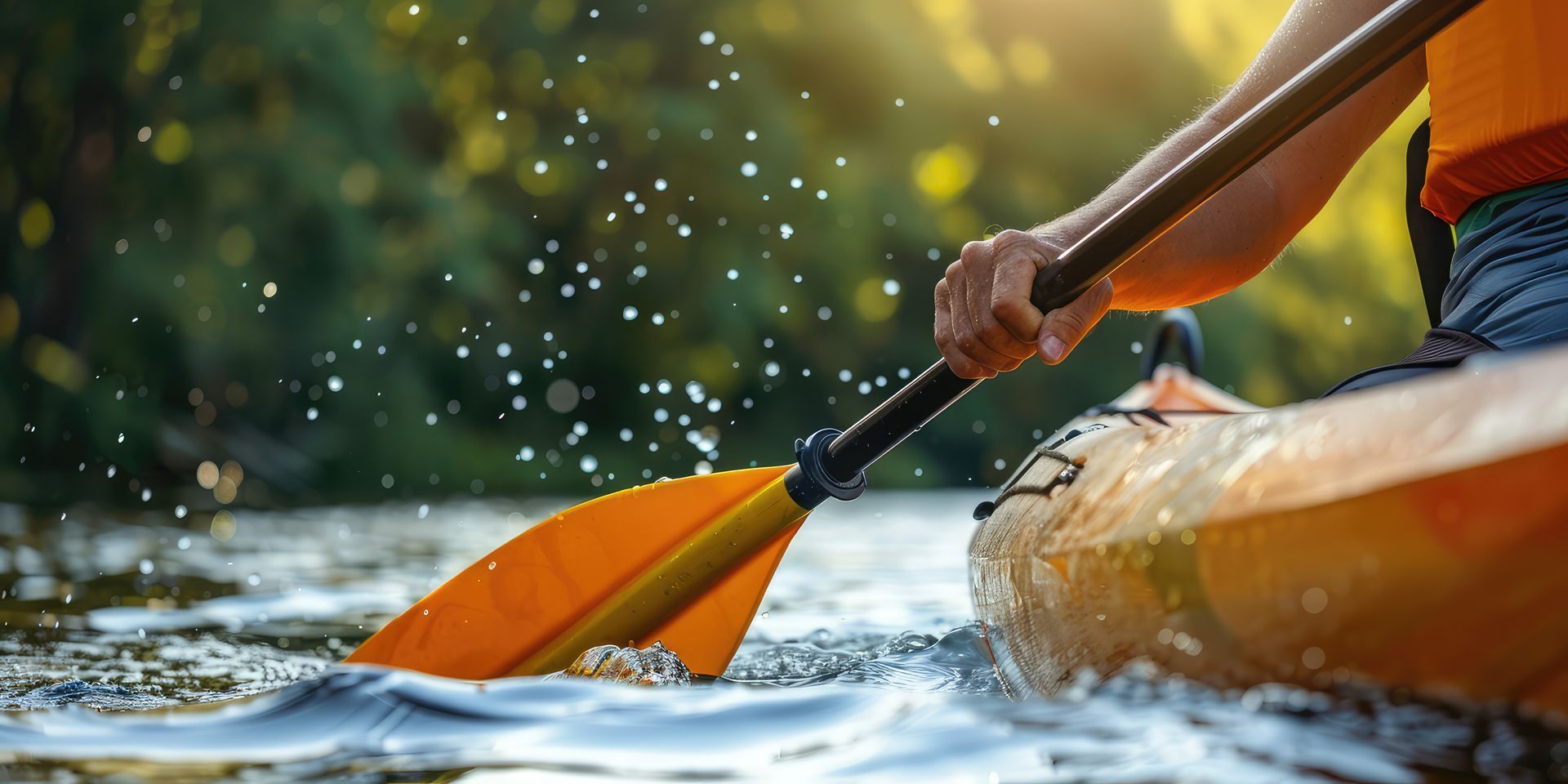
Why Proper Paddling Technique Matters
Using the right paddling techniques is not just about speed, it is about control and efficiency.
Good technique helps you:
- Reduce fatigue on longer trips
- Maintain better balance
- Navigate currents more effectively
- Improve overall safety on the water
Even small adjustments can significantly improve your performance.
Understanding Your Paddle and Positioning
Before learning strokes, it is important to understand how to properly hold and position your paddle.
Grip and Hand Placement
- Keep hands shoulder-width apart
- Maintain a relaxed but firm grip
- Align the paddle for smooth, even strokes
Body Position
- Sit upright with a stable core
- Use your torso, not just your arms
- Rotate your body for stronger, more efficient movement
Proper positioning sets the foundation for effective paddling.
The Forward Stroke: Your Primary Movement
The forward stroke is the most important technique for river travel.
How to Perform It
- Place the paddle blade in the water near your feet
- Pull the blade back alongside the boat
- Exit the water near your hip
- Alternate sides for a straight path
Why It Matters
A strong forward stroke keeps you moving efficiently while maintaining direction.
The Sweep Stroke: Turning with Control
The sweep stroke is used to turn your kayak or canoe.
How to Perform It
- Extend the paddle out to the side
- Sweep it in a wide arc from front to back
- Use your torso to guide the motion
When to Use It
This stroke is ideal for making wide, controlled turns in moving water.
The Draw Stroke: Moving Side to Side
The draw stroke helps you move your boat sideways, which is useful for positioning.
How to Perform It
- Reach out to the side with your paddle
- Pull the water toward the boat
- Return the paddle smoothly
When to Use It
Use this stroke when approaching docks, avoiding obstacles, or adjusting your position.
The Reverse Stroke: Slowing Down and Stopping
The reverse stroke allows you to slow down or stop your movement.
How to Perform It
- Place the paddle in the water behind you
- Push forward instead of pulling back
- Repeat as needed to reduce speed
Why It Matters
This stroke gives you control in tight or fast-moving areas.
Reading the River for Better Efficiency
Efficient paddling is not just about technique, it is also about understanding the water.
Look for:
- Calm sections (eddy zones) to rest
- Strong currents to help move forward
- Obstacles that require quick adjustments
Reading the river allows you to paddle smarter, not harder.
Common Mistakes Beginners Make
Avoiding common mistakes can improve your paddling quickly.
Watch out for:
- Using only your arms instead of your core
- Over-gripping the paddle
- Poor posture
- Inconsistent stroke rhythm
Correcting these habits leads to better efficiency and control.
Building Confidence on the Water
Like any skill, paddling improves with practice. Start with calm water and gradually build your confidence before moving into stronger currents.
Focus on:
- Consistent technique
- Smooth, controlled movements
- Awareness of your surroundings
With time, these basics become second nature.
Paddle Smarter, Not Harder
Mastering the fundamentals of river paddling techniques allows you to enjoy your time on the water while staying safe and efficient. By focusing on proper form, control, and awareness, you can make every trip more enjoyable and less physically demanding.
Adventure Sports provides guided experiences and equipment to help paddlers of all skill levels enjoy the river with confidence and ease.
What is the most important paddling stroke?
The forward stroke is the most essential for movement and control.
How do I turn a kayak or canoe?
Use the sweep stroke to make wide, controlled turns.
Why do I get tired quickly while paddling?
Improper technique and relying too much on your arms can cause fatigue.
What is the draw stroke used for?
It helps move your boat sideways for positioning.
Can beginners paddle on rivers safely?
Yes, with proper technique and starting in calm conditions.