What Should I Do If I’ve Never Been Kayaking Before?
Kayaking is an exciting way to enjoy the outdoors, explore rivers and lakes, and get a full-body workout. If you’ve never been kayaking before, it’s natural to feel a mix of excitement and nervousness. With the right preparation, safety tips, and mindset, your first experience can be both safe and unforgettable.
Start with the Right Kayak for Beginners
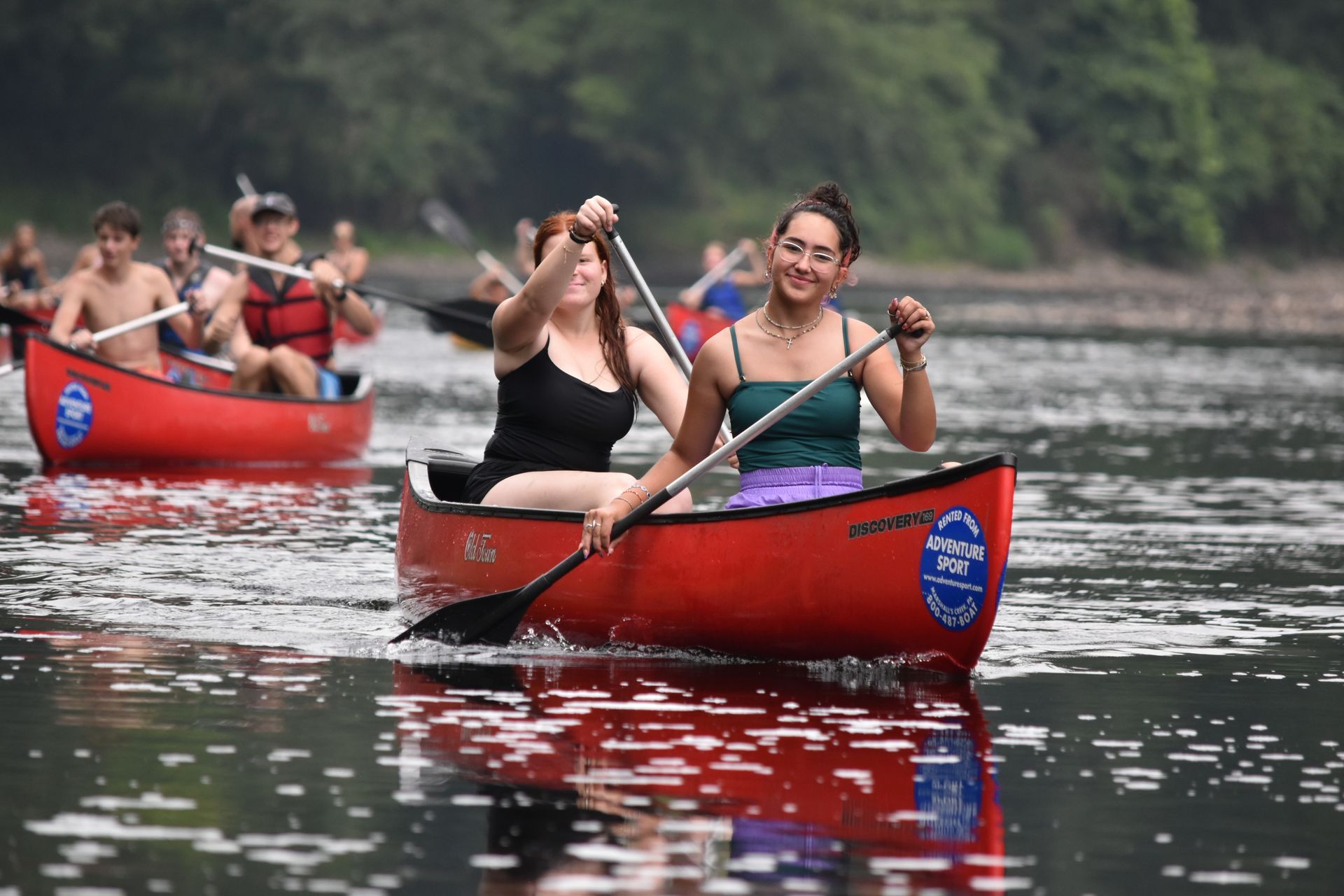
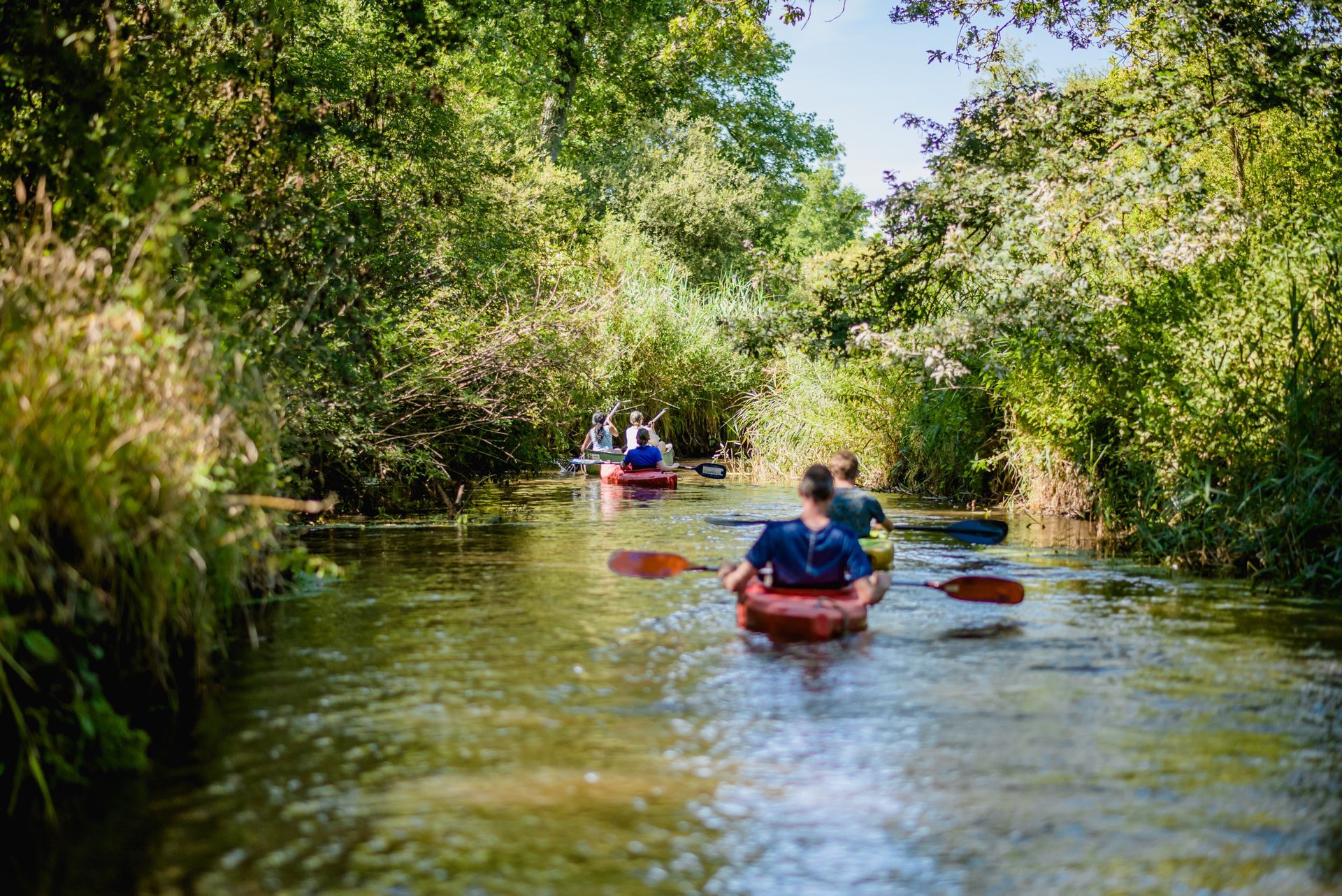
For those who are new to the sport, choosing the right kayak is essential. Recreational kayaks are stable and easy to maneuver, making them perfect for beginners. Sit-on-top kayaks are another great option because they are easy to get in and out of and provide a safer experience if you fall into the water.
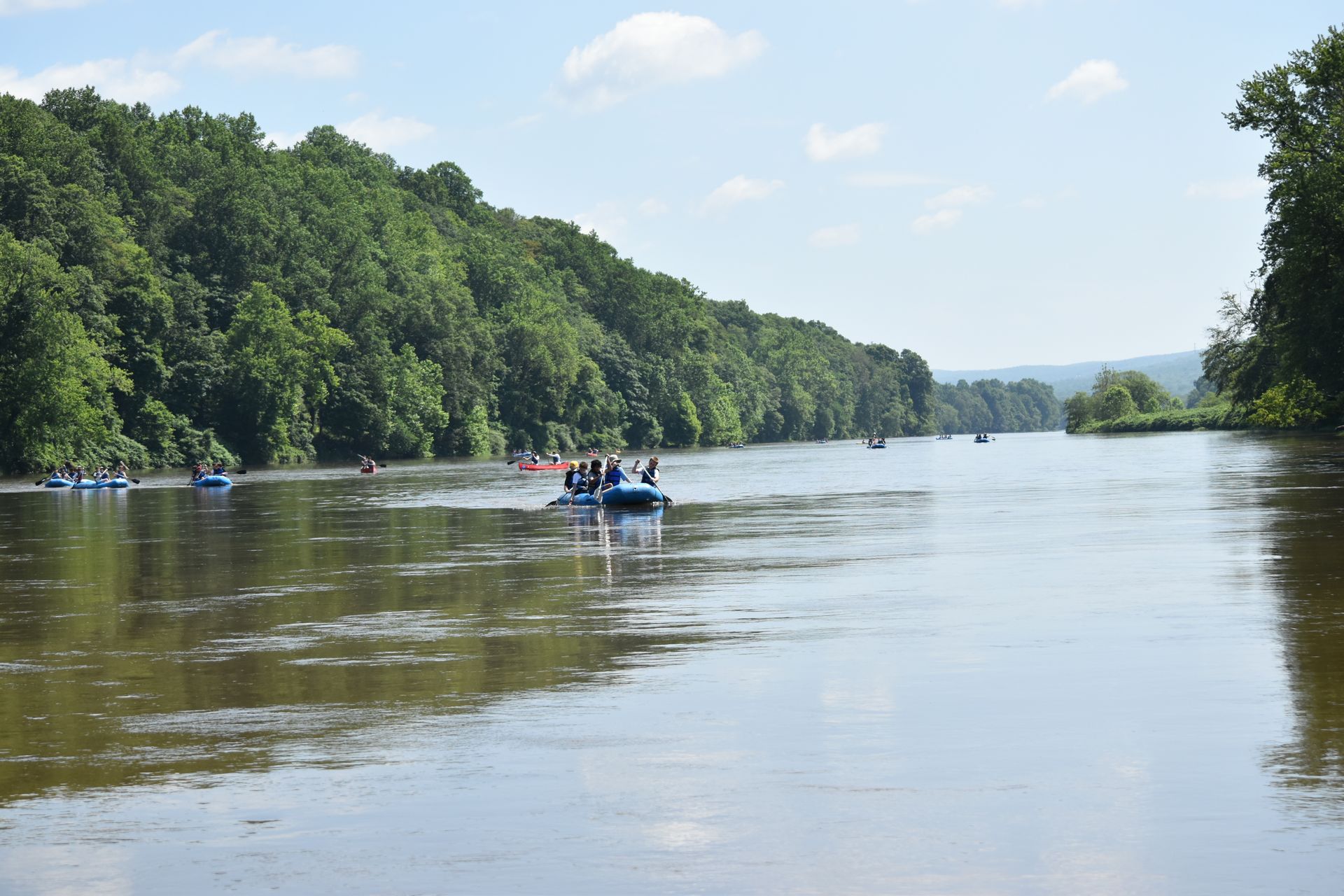
Before renting or buying, consider the kayak size and weight capacity, as well as the type of water you’ll be paddling in. Rivers, lakes, and calm bays are ideal starting points for beginners.
Learn Basic Paddling Techniques
Understanding how to hold a paddle correctly and how to perform basic strokes will make your kayaking trip much easier and safer. Start with:
- Forward stroke – for moving straight ahead efficiently.
- Reverse stroke – to slow down or move backward.
- Sweep stroke – for turning and maneuvering around obstacles.
Practicing these strokes on calm water will build your confidence before tackling rivers or rapids.
Prioritize Safety
Even for a first-timer, safety is paramount. Always wear a properly fitted personal flotation device (PFD) and consider carrying a whistle or signaling device. Know your limits and avoid challenging waters until you gain experience.
Other important safety tips include:
- Check the weather forecast before heading out.
- Inform someone of your kayaking plans and expected return time.
- Take a waterproof bag for your phone, snacks, and water.
Take a Lesson or Guided Tour
One of the fastest ways to gain confidence is by taking a kayaking lesson or booking a guided tour. Certified instructors can teach you proper techniques, safety procedures, and help you navigate different water conditions. This approach ensures your first experience is enjoyable and reduces the chances of accidents.
Practice Getting In and Out of the Kayak
Many beginners underestimate the challenge of getting in and out of a kayak. Practicing this skill on dry land or in shallow water will help you feel more comfortable. Focus on keeping your balance and using your paddle for support when necessary.
Enjoy the Experience and Take It Slow
Finally, remember that kayaking is as much about enjoying nature as it is about the physical activity. Take your time, relax, and don’t rush your first trip. Paddle at a comfortable pace, admire the surroundings, and focus on learning the basic skills.
Conclusion
Starting kayaking as a beginner doesn’t have to be intimidating. By choosing the right kayak, learning proper paddling techniques, and prioritizing safety, your first kayaking experience can be memorable and fun.
At Adventure Sports, we offer guided kayaking trips and lessons for all skill levels, ensuring your first time on the water is safe, educational, and enjoyable. Book your first kayaking adventure today and explore the rivers like a pro!