Canoeing with Kids: Keeping Young Paddlers Engaged, Safe, and Comfortable on the Water
Few outdoor activities have the power to create lasting family memories quite like a day spent on the water. Whether you are navigating a glassy lake, tracking a winding creek, or enjoying a slow river current, canoeing with kids offers a perfect opportunity to completely disconnect from digital screens, foster real-world confidence, and introduce your children to the wonders of nature.
However, any parent who has spent time around young children knows that a successful trip requires a lot more than just pushing a boat off a gravel bank. Keeping young minds engaged, bodies comfortable, and energy levels balanced can make the ultimate difference between a successful wilderness expedition and a quick, stressful retreat back to the car. With a baseline of proper structural preparation, you can curate a safe, rewarding experience that inspires a lifelong passion for outdoor recreation.
Establishing Realistic Intentions and Hydrodynamic Balance
The single most common mistake parents make when embarking on a family voyage is expecting the day to mirror an all-adult paddling excursion. Children operate on a completely different biological clock, possessing shorter attention spans, lower baseline muscular endurance, and entirely different structural priorities than an adult. Instead of focusing your itinerary on hitting a specific mileage goal or maintaining a brisk hull speed, your family strategy should center on exploration, frequent snack intervals, and shoreline rock hounding.
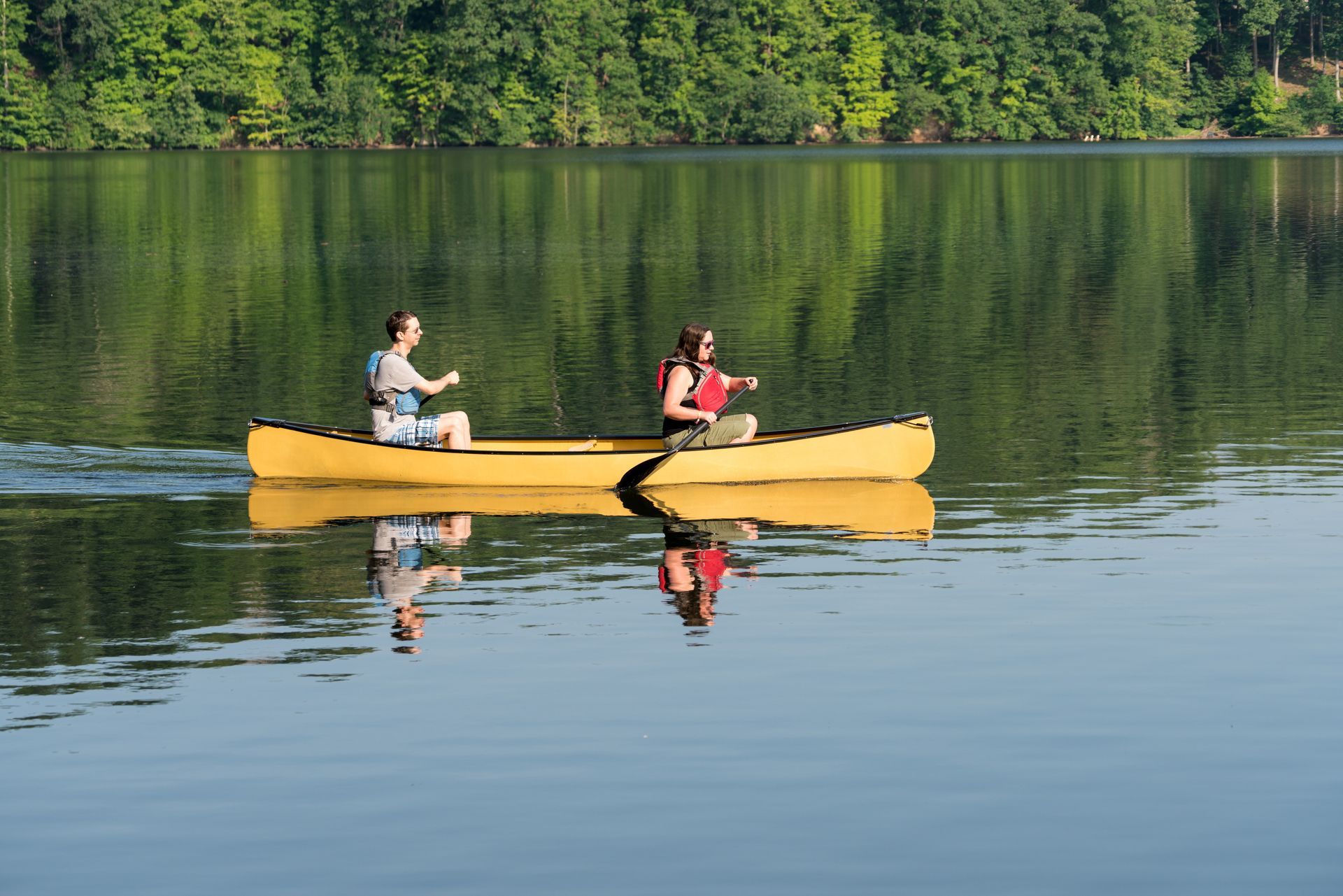
Beyond managing expectations, you must actively calculate the physics of vessel trim before you ever leave the shore. An improperly balanced canoe is highly susceptible to wind drifting and unstable tipping. When family canoeing, always place your heaviest load—typically the parents—in the traditional stern and bow seats, while seating your children directly on the center floorboards or on a dedicated middle bench. Keeping the heaviest weight centralized and low to the boat's keel lowers your center of gravity, stabilizes secondary hull movement, and prevents the bow from catching crosswinds.
Strict Protocols for Comprehensive Canoeing Safety
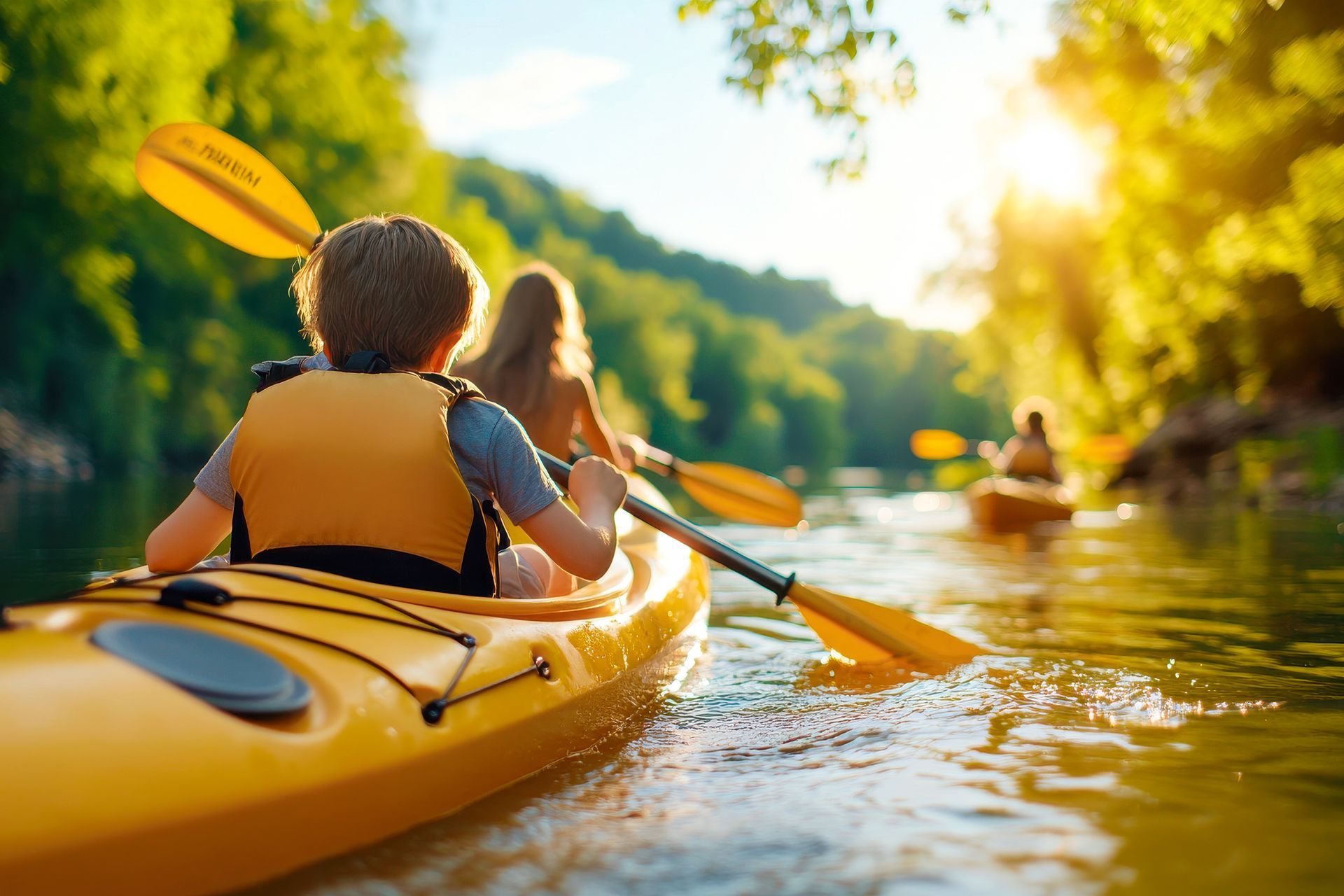
When managing children around an open body of water, preventative safety metrics must be enforced without compromise. Every minor passenger must be securely fastened into a properly fitted, U.S. Coast Guard-approved personal flotation device (PFD) before they step foot on the launch dock. For younger children and toddlers, ensure the life jacket features an integrated crotch strap and an oversized head-support collar, which guarantees the child will float face-up in the event of an accidental capsize.
A robust canoeing safety blueprint also demands thorough weather monitoring and geographic awareness. Prior to launch, verify local wind speed vectors, check for sudden thunderstorm cell developments, and ensure your chosen route is entirely free of swift currents, dangerous low-head dams, or dense motorboat traffic. Establishing these strict, non-negotiable safety habits early sets a healthy baseline of water safety that transforms your children into responsible, self-aware water enthusiasts.
Curating Kid-Friendly Waterways and Spatial Engagement
Not every premium paddling destination is structurally appropriate for a family group. When introducing beginners to family paddling, prioritize slow-moving rivers, calm inland lakes, or protected bays that feature minimal wake zones and highly accessible, sandy shorelines. Choosing locations with frequent, reliable landing spots allows you to quickly pull over if an emergency bathroom break or stretch interval becomes necessary.
Once on the water, the ultimate strategy for preventing mid-trip meltdowns is to give every child a dedicated structural job. Children thrive when they feel like active crew members rather than passive cargo. Depending on their age and coordination, assign your young paddlers specific duties:
- The Bow Lookout: Task older children with scanning the water ahead to spot submerged boulders, shallow sandbars, or drifting debris.
- The Wildlife Tracker: Equip your kids with a pair of floating binoculars to log passing birds, turtles, and fish.
- The Junior Navigator: Give them a waterproof topographic map of the route, letting them track progress against prominent natural landmarks.
Thermal Management, Hydration, and On-Water Logistics
Young bodies are highly sensitive to thermal exposure and accelerate through caloric reserves at a rapid rate. Hypothermia and heat exhaustion can manifest quickly on open water where there is zero shade. Ensure your children are dressed in lightweight, moisture-wicking synthetic layers with built-in UV protection, wide-brimmed sun hats, and specialized, closed-toe water shoes to protect their feet during rocky landings.
Additionally, you should always pack twice as many high-protein snacks and fresh water bottles as you initially expect to consume. The constant physical exertion of paddling, combined with the heat reflecting off the water, drains energy fast. Keeping a dry bag packed with fruit slices, granola bars, and electrolytes allows you to preemptively neutralize fatigue before it translates into frustration. If your child expresses a desire to paddle, provide them with a downsized, lightweight youth paddle; even if their strokes are mechanically imperfect, allowing them to engage with the water builds coordination and deepens their investment in the journey.
Plan Your Next Family Outing With Adventure Sports
Crafting a flawless, stress-free day on the water requires specialized, high-performance equipment and deep localized knowledge of water conditions. Trying to manage family safety while dealing with inadequate, poorly fitted gear or unpredictable river currents can quickly ruin a weekend trip. Partnering with an experienced outfitter ensures your family hits the water fully prepared.
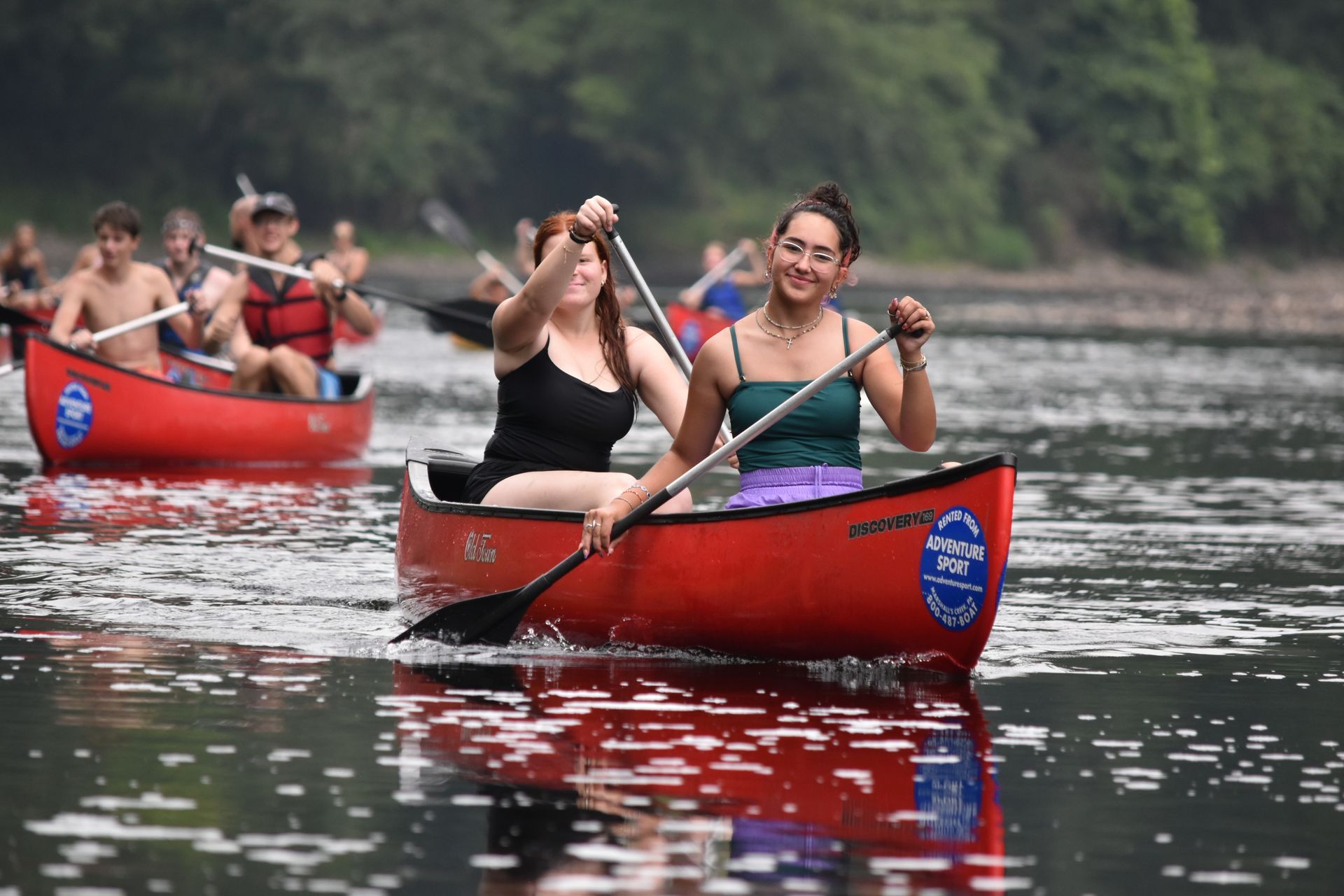
At Adventure Sports, we take the stress out of planning your next outdoor excursion. We specialize in providing premier, stable watercraft rentals and expertly curated, family-friendly guided river trips. Our team will equip your entire group with top-tier, properly sized life jackets, lightweight paddles, and premium, highly stable canoes perfectly suited for your collective skill level. Let our team handle all of the logistics, vehicle shuttles, and safety prep for you—contact us today to book your next river excursion.
What is the safest seating arrangement when canoeing with kids?
Children should always be seated low in the center of the canoe, directly on the floorboards or a middle bench. This keeps the vessel’s center of gravity low and perfectly balanced, while the adults occupy the traditional bow and stern seats to steer efficiently.
What specific type of life jacket does a child need for family canoeing?
Children must wear a properly sized, U.S. Coast Guard-approved Type II or Type III PFD rated for their specific weight class. For infants and toddlers, a life jacket with a built-in crotch strap and an integrated head-support collar is legally and structurally required.
How can I keep my children from getting bored during a long paddling trip?
The best way to maintain high engagement is to break up the journey by transforming your kids into active crew members. Give them clear tasks like tracking wildlife, checking a waterproof map, or using a kid-sized paddle to help propel the boat.
Why are frequent shoreline breaks critical when paddling with young kids?
Children experience muscle fatigue and sensory overload much faster than adults. Stopping every 45 to 60 minutes on a gravel bar allows them to stretch, eat snacks, run around, and use the bathroom, which keeps their morale high.
Is it better to take kids canoeing on a lake or a flowing river?
For absolute beginners, a calm lake or a completely stagnant pond is ideal because there are no currents or complex waves. If you choose a river, ensure it is a slow-moving, shallow class-I waterway with highly accessible shorelines.